Walk through
Confirm items and access.
Chests, bureaus, wardrobes, and mirrors
Dressers are dense, top-heavy, and often wider than the bedroom door. Emptying drawers and checking the route can prevent a difficult pickup from becoming a damaging one.
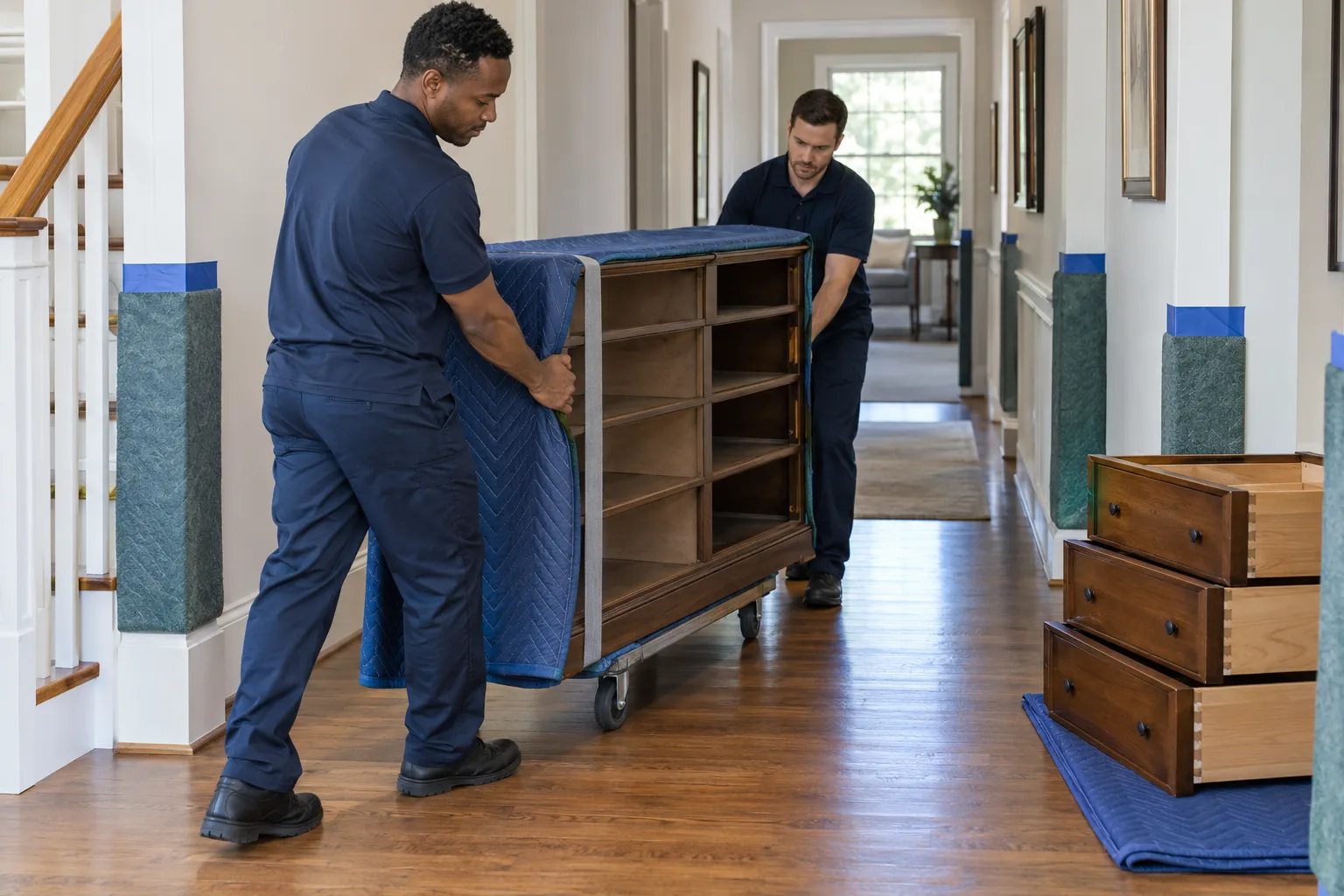
Common pickup scope
Final acceptance depends on condition, access, handling requirements, and the operator’s current service policies. Describe damaged, contaminated, powered, glass, or unusually heavy pieces before scheduling.
The working route
Clear small objects, pets, cords, and floor hazards from the room to the exit. Point out weak furniture, loose hardware, tight turns, and surface concerns during the walkthrough.
Confirm items and access.
Approve scope before work.
Keep the route controlled and clear.
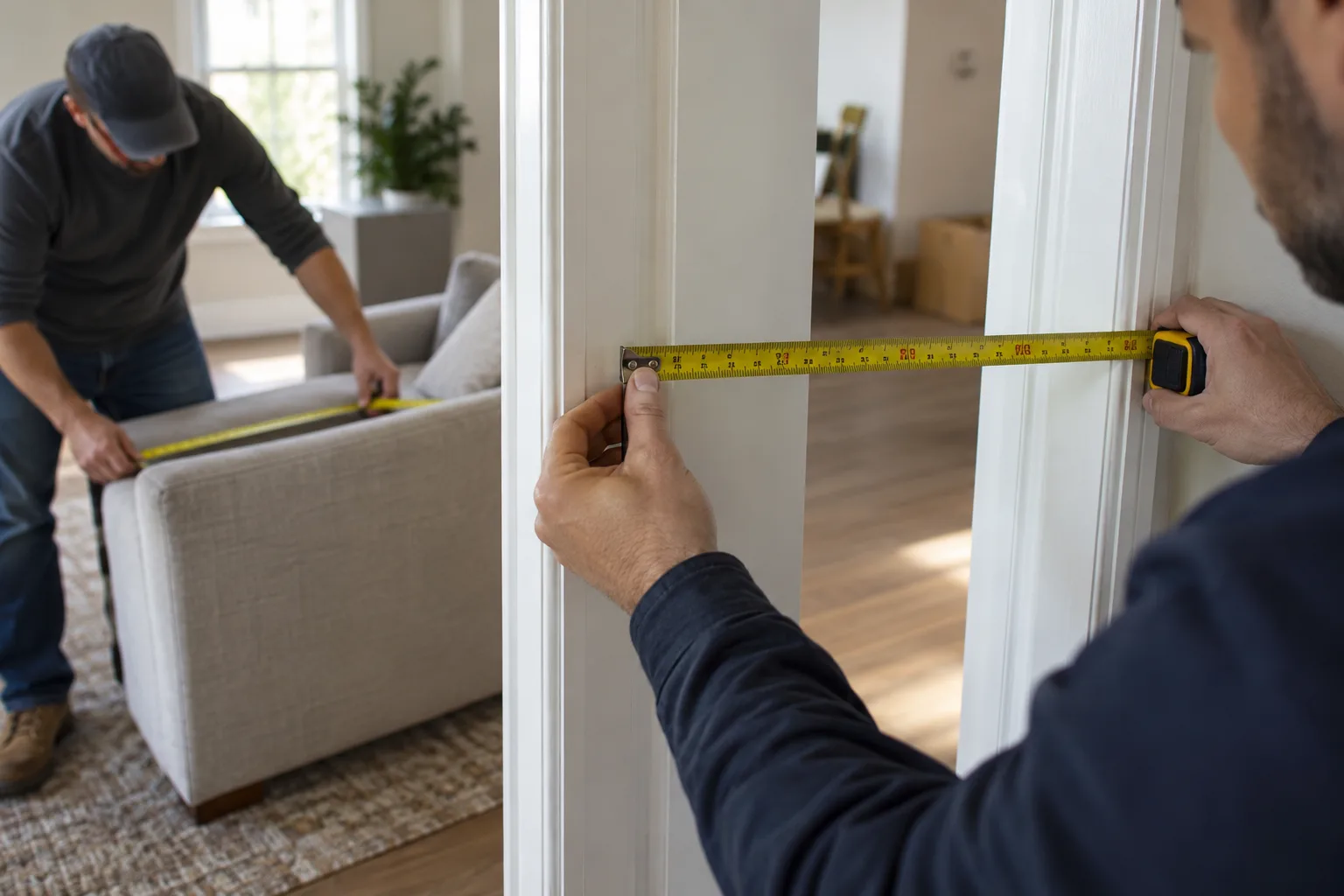
Before pickup
No published requirement says furniture must be curbside. Explain where it is located and confirm the planned pickup path by email.
Acceptance depends on the item, condition, access, and current operating policy. Flag damage, pests, moisture, glass, powered components, or unusual weight.
The parent operator states that an on-site estimate is provided before work begins. Item quantity, labor, access, and truck space can affect the estimate.
Helpful guide
Empty every drawer, remove loose mirrors, and check whether the piece can pass through the doorway without being tipped unsafely.
Read the guide →Ready when the details are
Describe the furniture, the pickup address, and any stairs or access limits. Email the item list and address to get started.